

Hospitality Energy Comparison

    Business Energy for Hotels, Restaurants, Pubs & Cafés

    Compare gas and electricity options around the way your venue trades—from guest rooms and commercial kitchens to cellar cooling, coffee machines and hot water.

    0800-058-4297
    30+ UK suppliers No obligation No hidden fees
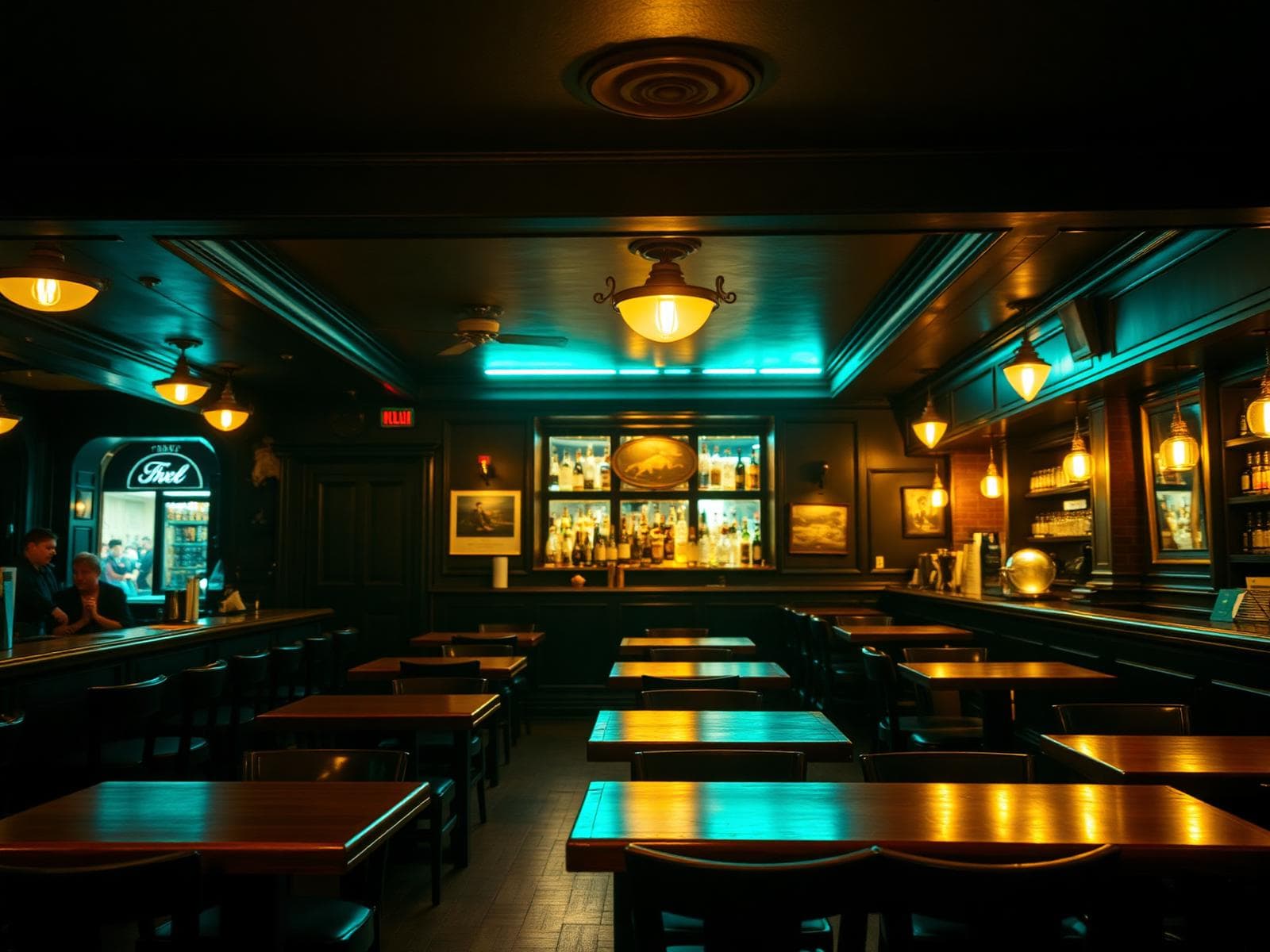
    Restaurant dining room prepared for hospitality service

    +81%

    Average cost increase YoY

    The 2021 average

    £1.3bn

    Annual sector energy spend

    30+

    UK suppliers compared

    Image 0
    Image 1
    Image 2
    Image 3
    Image 4
    Image 5
    Image 6
    Image 7
    Image 8
    Image 9
    Image 10
    Image 11
    Image 12
    Image 13
    Image 14
    Image 15
    Image 16
    Image 17
    Image 18
    Image 19
    Image 20
    Image 21
    Image 22
    Image 23
    Image 24
    Image 25

    Hospitality energy reality

    High demand is built into great hospitality

    Guest comfort, food safety and customer service rely on equipment that cannot simply be switched off.

    Energy is one of the major operating costs in UK hospitality. Hotels need heating, lighting and hot water around the clock. Restaurants rely on kitchens, refrigeration, dishwashing and extraction. Pubs add cellar cooling and entertainment, while cafés run coffee equipment and display fridges throughout trade.

    UKHospitality reported that average energy costs rose by 81% year-on-year and reached three times the 2021 average. The Carbon Trust estimates that UK hospitality spends more than £1.3 billion on energy annually and emits over eight million tonnes of carbon.

    The challenge is not only finding a supplier—it is securing a contract that reflects the venue's trading pattern, equipment and renewal risk.

    Context sources: UKHospitality 2023 and Carbon Trust.

    Built for every venue

    One sector, four very different energy patterns

    Start with your venue type to understand where demand builds and what to check before renewal.

    Venue-by-venue guidance

    Match the contract to the way your business operates

    HOSPITALITY 01

    Hotels and B&Bs

    Business Energy for Hotels UK

    Hotel energy contracts affect every occupied room, guest facility and service area—often around the clock.

    Hotels use energy for heating, lighting, laundry, hot water, kitchens, reception services, WiFi, lifts, exterior lighting and guest rooms. Larger sites may also operate bars, gyms and laundries.

    A high fixed rate affects the cost of every occupied room, while an unsuitable standing charge still costs the business during quieter periods. Missing a renewal can also move the site onto expensive out-of-contract rates.

    A city hotel with year-round occupancy does not have the same usage pattern as a seasonal coastal B&B. Contract length, risk and expected demand should reflect the way the property trades.

    • Heating and hot-water demand
    • Year-round or seasonal occupancy
    • Guest rooms, kitchens and laundry
    • Gas and electricity renewal dates
    HOSPITALITY 02

    Restaurants

    Restaurant Electricity Comparison

    Commercial kitchens create concentrated electricity and gas demand before, during and after service.

    Restaurants use electricity for cooking, refrigeration, lighting, dishwashing, tills, extraction, air conditioning and customer areas. Equipment can start before guests arrive and remain active after they leave.

    Ovens, grills, fryers, fridges, freezers and dishwashers place heavy pressure on a commercial kitchen's consumption. Ventilation can also use significant power when it runs at full capacity for long periods.

    Before renewal, restaurant owners should check the unit rate, daily standing charge and contract end date. A venue open seven days a week may need a different structure from an evening-only restaurant.

    • Kitchen and extraction equipment
    • Refrigeration and dishwashing
    • Trading-day demand peaks
    • Unit rates and standing charges
    HOSPITALITY 03

    Pubs

    Control Pub Gas and Electricity Costs

    Heating, cellar cooling, kitchens and entertainment systems can all run together during peak trade.

    Pubs use energy across bar heating, cellar cooling, fridges, freezers, kitchens, lighting, music systems, screens, tills and outdoor heaters. Live sports, events and weekend trade can push demand higher.

    Cellar cooling is essential, but older equipment can waste energy when it is not maintained. Poor fridge seals, ice build-up, blocked vents and kitchen equipment left on between services also add cost.

    A weekend-led venue can have a different energy pattern from a food-led pub serving throughout the week. Reviewing usage alongside the contract helps avoid paying for terms that do not match trading.

    • Cellar cooling and refrigeration
    • Kitchen gas and electricity
    • Events and weekend peaks
    • Heating and outdoor areas
    HOSPITALITY 04

    Cafés

    Café Business Gas and Electricity

    A small footprint does not mean small demand when equipment operates throughout every trading hour.

    Coffee machines, grinders, display fridges, ovens, toasters, dishwashers, lighting and heating all run during café trading hours. Early opening often means equipment starts before customer footfall builds.

    Where gas is used, cooking, water heating and space heating are common cost areas. Even a small rate change can affect profit when margins are already tight.

    Display fridges and cake counters must stay on and remain customer-ready. LED lighting, better controls, equipment checks and staff training can reduce waste without changing the customer experience.

    • Coffee and cooking equipment
    • Customer-facing refrigeration
    • Early opening hours
    • Tight margins and contract rates

    Cost drivers

    What is driving higher hospitality energy bills?

    Demand often peaks during a venue's busiest trading periods: evenings, weekends and colder months. Hotels may run heating, hot water and lighting all day and night, while kitchens and pubs concentrate demand around service.

    Rates matter, but avoidable consumption matters too. Damaged fridge seals, incorrect heating controls, old lighting and equipment running before or after service can add substantial cost over a year.

    £1.3bn

    Annual UK hospitality energy spend

    8m+

    Tonnes of carbon emitted by the sector

    10–40%

    Potential reduction through operational changes and refurbishment

    Source context: Carbon Trust.

    Contract renewal

    Hospitality energy renewal mistakes to avoid

    Renewal notices can be missed during busy trading periods. If a contract ends without action, the business may move onto more expensive rates. Comparing only one supplier also limits choice when market prices and terms change.

    Contract length should reflect cash flow, risk and future plans. A longer fixed contract can provide stability, while a shorter term can offer flexibility. The right balance depends on the venue's trading pattern and appetite for price movement.

    Climate Change Levy

    Some businesses may qualify for a reduced rate or exemption. It is worth checking eligibility before signing.

    Before you sign

    Renewal checklist

    • Electricity and gas unit rates
    • Daily standing charges
    • Contract length and renewal date
    • Exit terms and notice periods
    • Estimated annual cost
    • VAT and Climate Change Levy treatment

    Reduce waste, protect service

    Practical efficiency changes for hospitality teams

    Hotels and B&Bs

    Protect guest comfort

    Heating and hot water are major cost areas. Check boiler settings, use controls properly, improve insulation and train staff to report faults. Avoid overheating empty rooms, and use timed controls in corridors, stores and back-office spaces.

    40%+

    Non-domestic energy can go to heating

    20%

    Potential heating savings from simple measures

    Restaurants, pubs and cafés

    Control equipment run time

    Use opening and closing checklists for ovens, fryers, extraction, dishwashers, coffee machines, screens and outdoor heaters. Inspect refrigeration weekly, clear vents and ice build-up, replace damaged seals and keep cooling equipment away from heat sources where practical.

    • Switch on only when needed
    • Check seals and airflow
    • Use LED lighting
    • Add timers and sensors

    Heating figures based on Carbon Trust guidance.

    Compare suppliers

    Hospitality energy options without contacting suppliers one by one

    Utility4Business helps hotels, restaurants, pubs, cafés, guest houses and B&Bs compare business gas and electricity options across 30+ UK suppliers.

    Share your current usage and contract details, then review available prices, terms and renewal options with a team that understands how hospitality sites operate.

    0800-058-4297

    Independent hotels

    Restaurants

    Pubs

    Cafés

    Guest houses

    B&Bs

    Regular reviews

    At least yearly

    Always review before renewal

    Price and usage together

    Why regular hospitality energy reviews matter

    Energy should not be reviewed only when prices rise. Checking usage and contract terms at least once a year gives the business time to compare options and avoid default rates.

    A usage increase without more trade can expose an equipment fault. Unexpected hotel winter costs can point to heating controls, while high café consumption after closing can show equipment being left on.

    Lower rates help, but lower waste matters too. Managing both protects profit without reducing service quality.

    What our customers are saying

    Trusted by UK businesses for clear advice, competitive prices, and hands-on support.

    4.90
    5

    Lucy Robinson just made my day...!! A human touch with attention to detail. Good old fashioned customer care, just as it should be. Thank you Lucy.

    MNMark Nuttall
    5

    I would highly recommend Utily4business. I dealt with Shahid who was extremely knowledgeable and was at the end of the phone to answer any questions.

    JJulie
    5

    Utility4business Ltd has looked after my interests for a few years now. They are very patient with me and explain all the options very well.

    RERichard Edmondson

    Hospitality energy FAQs

    Frequently Asked Questions

    Clear answers for hotel, restaurant, pub and café owners.

    Trusted by UK businesses

    Start your hospitality energy comparison before renewal

    No obligation · 30+ UK suppliers · Direct support from our team

    bolt
    bolts

    Get Connected

    At Utility4Business, our team of experts can help you figure out the highest-value business utility deals that will help your business grow over time.

    Inquire with Your Details